
Insulating your home yourself: what should you look out for?
Insulating your home yourself means making small energy-saving improvements without immediately starting a major insulation project. Examples include sealing gaps, fitting draught excluders or installing radiator reflector foil.
Although these measures make your home a little more comfortable, they are no substitute for professionally installed insulation, such as cavity wall, roof or floor insulation. Nevertheless, they are a good first step if you want to reduce your energy costs.
What can you do yourself?
There are several things you can do yourself straight away:
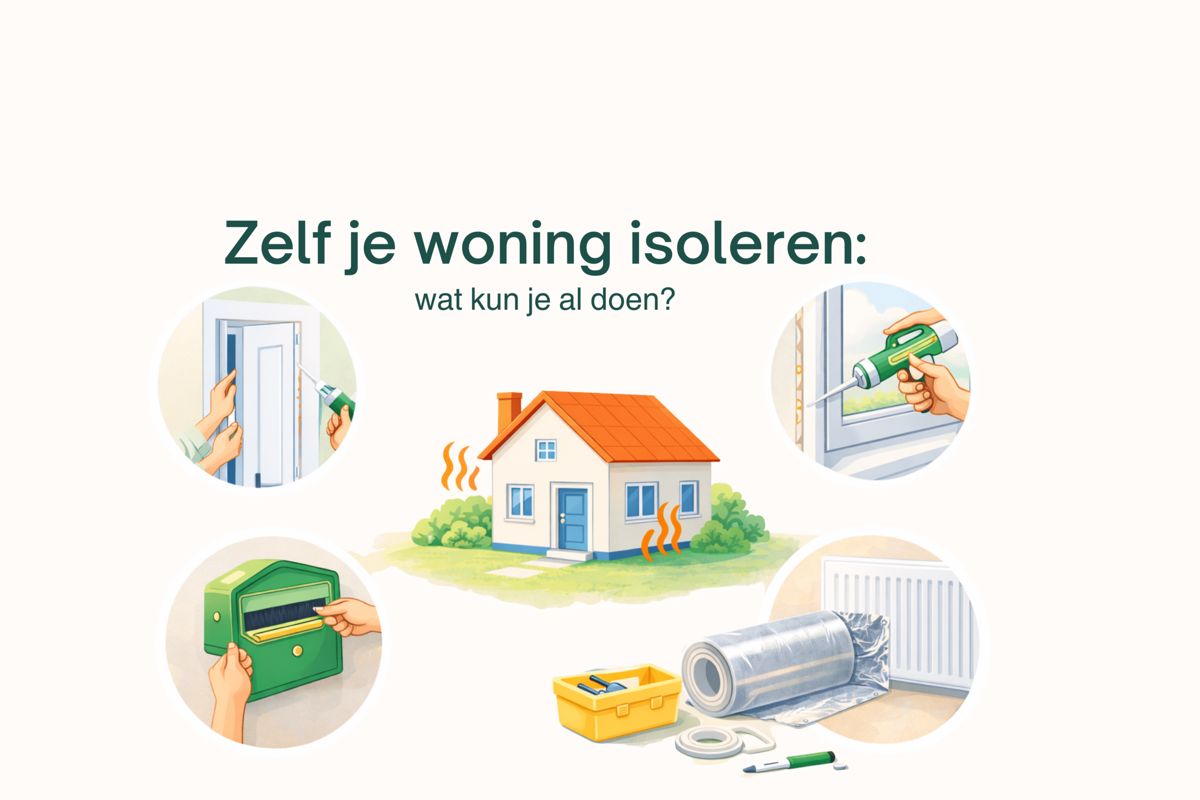
A lot of heat is lost through windows and doors. Draught-proofing strips make it easy to seal gaps and notice the difference straight away.
Radiator foil reflects heat back into the room, reducing energy loss through the external wall.
You can seal small gaps around pipes and window frames with sealant or expanding foam.
Even small gaps around the front door cause heat loss.
An uninsulated loft hatch is often an overlooked source of heat loss.
These measures are relatively inexpensive and easy to carry out yourself.
What is best left to the professionals?
Some types of insulation require specialist knowledge and equipment. Examples include:
Incorrect installation can lead to damp problems, mould or reduced insulation performance. Professional insulation ensures guaranteed performance and a greater improvement in your energy label.
Common DIY insulation mistakes
When people insulate their homes themselves, they often make these mistakes:
- Only taking small measures and ignoring major heat losses
- Overlooking ventilation, which can cause damp problems
- Using the wrong materials
- Overlooking subsidy conditions
Insulating your home yourself is therefore a good start, but not always the most effective long-term solution.
When should you call in a specialist?
Would you like to make substantial savings on energy costs and improve your energy label? Professional insulation is often necessary to achieve this.
A specialist can:
- Pinpointing heat loss
- Provide advice on the most cost-effective measure
- Using the right materials
- Help with subsidy options
Personal advice from Greenisolatie
Would you like to know whether insulating your home yourself is enough or whether professional insulation would offer greater benefits?
Greenisolatie assesses your situation and advises you on the steps that will have the greatest impact. This helps you avoid unnecessary costs and focus your investment on comfort and energy savings.